Across the United States, lakes have become far more than places to fish or spend a summer weekend. For many communities, lakes now function as economic engines that support tourism, recreation, hospitality, infrastructure investment, and long-term regional growth.
From campground reservations and marina traffic to national fishing tournaments and waterfront development, recreational lakes generate a ripple effect that extends far beyond the shoreline. Communities that invest in lake access, boating infrastructure, outdoor recreation, and tourism development often discover that healthy lake systems can strengthen local economies for decades.
In many regions, especially throughout the Southeast, lakes are deeply connected to community identity. They influence where people travel, where families vacation, where retirees relocate, and where businesses choose to invest. As outdoor recreation continues to grow nationwide, lakes are increasingly viewed not only as natural resources, but as strategic public assets.
The Modern Lake Economy
A thriving lake rarely supports just one industry. Instead, lakes create interconnected ecosystems of recreation, tourism, hospitality, and small business activity.
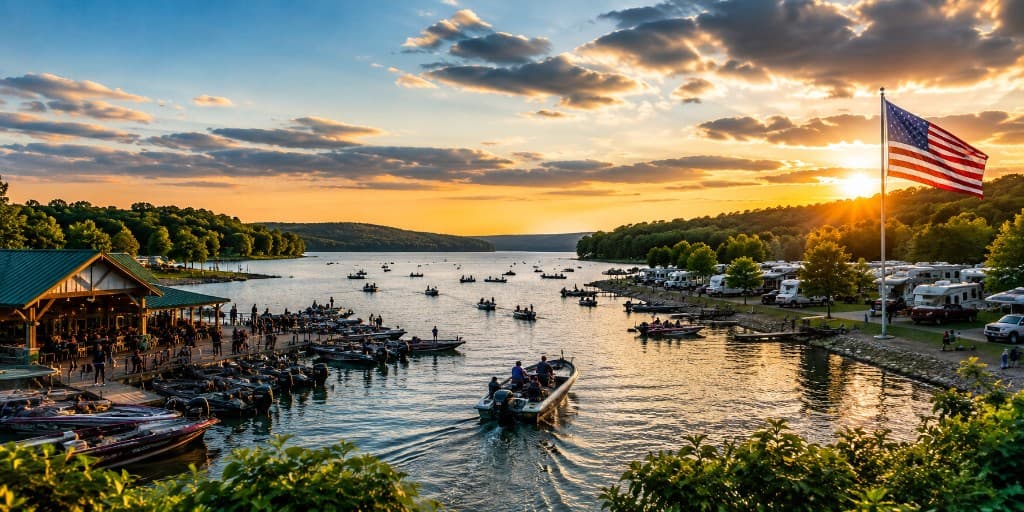
Boaters fuel up at marinas. Anglers visit bait and tackle shops. Campers reserve RV sites and lakefront cabins. Restaurants and waterfront businesses benefit from seasonal traffic. Rental companies provide kayaks, pontoons, and jet skis. Local governments invest in public access areas, parks, and boat ramps that encourage continued visitation.
For many smaller communities, particularly rural counties near major reservoirs, lake tourism becomes one of the most reliable forms of recurring economic activity. Unlike one-time attractions, lakes encourage repeat visitation. Families return season after season. Anglers follow tournament schedules. Campers establish annual traditions. Property owners invest in second homes and waterfront communities. Over time, the lake itself becomes part of the region's economic identity.
This pattern can be seen across reservoirs managed by the U.S. Army Corps of Engineers and the Tennessee Valley Authority, where recreation infrastructure often evolves into a major component of the surrounding economy.
| Layer | What it includes |
|---|---|
| Recreation | Boating, fishing, camping, tournaments, paddling |
| Hospitality | Hotels, restaurants, marinas, guides, event services |
| Infrastructure | Boat ramps, courtesy docks, parks, navigation aids |
| Property & relocation | Second homes, retirement migration, waterfront development |
Boating and Outdoor Recreation
Boating is one of the largest contributors to lake-related tourism spending. Large recreational lakes support a wide range of boating activity, including:
- fishing boats
- pontoon boats
- wake boats
- personal watercraft
- sailing
- paddlesports
- guided excursions
Each activity supports additional industries and services. Boat ownership creates demand for maintenance and repair, storage facilities, marine electronics, fuel sales, insurance, trailer sales, and waterfront development.
Public access infrastructure also plays a major role. Well-designed boat ramps, parking areas, courtesy docks, navigation systems, and public recreation facilities increase both usability and visitation. Communities that invest in lake access often experience broader tourism growth because improved recreation infrastructure makes destinations more attractive to both residents and visitors.
Camping further amplifies this effect. Campgrounds surrounding major lakes generate consistent seasonal traffic that supports grocery stores, gas stations, restaurants, and retail businesses throughout nearby communities. In many lake regions, RV tourism alone represents a substantial portion of seasonal economic activity.
Fishing Tourism and Tournament Economics
Fishing remains one of the strongest economic drivers connected to recreational lakes, particularly in regions known for bass fishing.
Competitive fishing has evolved into a major tourism industry with national media exposure, sponsorships, travel spending, and significant regional economic impact. Tournament circuits bring anglers, families, media crews, sponsors, and spectators into host communities for extended periods of time.
Professional events organized by B.A.S.S. and Major League Fishing can generate substantial economic activity through hotel occupancy, restaurant traffic, fuel purchases, marina use, local retail spending, tourism visibility, and media exposure.
| Channel | Typical beneficiaries |
|---|---|
| Lodging | Hotels, RV parks, short-term rentals |
| Food & fuel | Restaurants, gas stations, marinas |
| Retail & services | Tackle shops, marine repair, guides |
| Media & visibility | Destination marketing, repeat visitation |
Unlike many sporting events, fishing tournaments put lake scenery, local communities, marinas, parks, and recreation infrastructure in front of national audiences. That visibility creates long-term tourism value that extends well beyond tournament week.
“The Bassmaster Classic is often referred to as the Super Bowl of bass fishing—an event that showcases the destination itself through television coverage, social media, and outdoor media outlets.”
Lake Hartwell and the Green Pond Landing Investment
One of the strongest examples of lake-focused recreation investment in the Southeast is Green Pond Landing on Lake Hartwell.
Located in Anderson County, South Carolina, Green Pond Landing was developed as a large-scale public access and tournament facility designed to support recreational boating and competitive fishing. The project expanded lake access while creating infrastructure capable of hosting national-level fishing events.
Over time, that investment helped position Lake Hartwell as one of the premier tournament fisheries in the country. The Bassmaster Classic has returned to Lake Hartwell multiple times, bringing national visibility and substantial tourism activity into the region. During major events, local hotels, restaurants, fuel stations, retail stores, and recreation businesses benefit from increased visitation and spending.
But the long-term value extends beyond tournament week. Facilities like Green Pond Landing create durable recreation infrastructure that supports everyday anglers, local boating communities, regional tourism, public lake access, outdoor events, family recreation, and economic development initiatives. Projects like this demonstrate how lake infrastructure can become part of a broader regional growth strategy.
When anglers and planners discuss operating context on Corps lakes, full pool targets and release-driven current below dams (discharge) still shape how tournaments and everyday fishing align with water management—not only local business cycles.
Beyond Tourism: Lakes as Community Assets
The economic influence of lakes is not limited to tourism alone. Lakes increasingly shape where people choose to live, retire, and invest.
Communities with strong lake access often benefit from:
- higher recreational appeal
- increased outdoor activity
- waterfront property demand
- retirement migration
- tourism-driven small business growth
- improved quality of life perception
For many residents, lakes provide daily recreational opportunities that improve lifestyle and community identity. Public parks, trails, campgrounds, marinas, and fishing access contribute to a sense of place that becomes economically valuable over time.
This trend has accelerated as remote work and flexible lifestyles allow more people to relocate to recreation-oriented communities. In many cases, lakes become central to local branding and long-term economic positioning.
The Growing Importance of Lake Intelligence
As recreation pressure increases and outdoor tourism expands, access to accurate lake information becomes increasingly important.
Boaters, anglers, campers, and travelers now rely heavily on water levels, weather forecasts, lake conditions, dam releases, boat ramp access, safety alerts, and seasonal trends. Modern lake recreation depends not only on access, but on information.
Communities and recreation systems that provide better access to environmental and operational lake data are often better positioned to support tourism, improve safety, and enhance the visitor experience. For background on how agencies report stage and elevation, see how lake levels are measured; explore live dashboards and editorial coverage in Insights.
As outdoor recreation continues to grow nationwide, lakes will likely play an even larger role in regional tourism economies and community development strategies. For many communities, the lake is no longer simply a backdrop for recreation—it has become part of the infrastructure that supports economic activity, outdoor culture, and long-term regional identity.
- How do fishing tournaments affect local lake economies?
- Tournaments concentrate lodging, food, fuel, marina, and retail spending over several days while media coverage promotes repeat visitation. Host communities often see benefits before and after event week through increased awareness of access sites and recreation infrastructure.
- Why do Corps and TVA reservoirs often become tourism hubs?
- Federal reservoirs combine large water bodies with long-term public recreation mandates. Sustained investment in ramps, parks, and tournament facilities—plus repeat visitation from boating and fishing—can turn recreation into a durable regional industry.
- What is the long-term value of public access investments like Green Pond Landing?
- Purpose-built access and tournament facilities support everyday boating and fishing—not only headline events. That infrastructure raises usability for residents and visitors and can anchor regional economic development strategies tied to outdoor recreation.
- Why does accurate lake data matter for tourism and safety?
- Travelers plan around water levels, weather, releases, and ramp usability. Reliable, well-labeled data reduces confusion when comparing sources and helps visitors make safer decisions on the water.